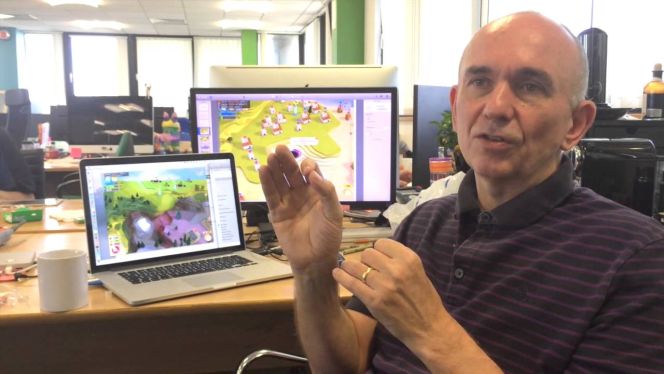
Peter Molyneux promised a revolution. A god game where players shaped worlds in real time, where every decision rippled across civilizations. He didn’t just pitch a game—he sold a vision. And when that vision collapsed under the weight of its own hype, real people lost real money. These weren’t just disappointed fans. These were backers who handed over thousands, developers who staked their careers, and investors who bet on a legend. This is what happened when one of gaming’s most celebrated designers overreached—and who paid the price.
The Godus Gamble: When Vision Outran Reality
Godus was supposed to be Molyneux’s redemption arc. After leaving Microsoft and Lionhead Studios, he founded 22cans with a mission: to build the next evolution of Populous, crowd-funded and community-driven. In 2012, Kickstarter was still a golden era of creative promise. Molyneux’s campaign raised over $875,000—triple its original goal—from 17,000 backers.
But ambition clashed with execution. The demo shown at launch—a sleek, isometric world sculpting tool with emergent civilizations—never materialized in the final product. What shipped in 2014 was a bare-bones, confusing mess. Terrain tools were clunky. AI behavior was erratic. The promised multiplayer and colony mechanics were missing. Worse, updates slowed to a crawl.
Backers expected Populous meets Dwarf Fortress. They got a half-finished prototype. Molyneux admitted later: “We made promises we simply couldn’t keep.” For early supporters, it wasn’t just disappointment—it was financial and emotional loss.
The Investors Who Funded a Dream
Beyond Kickstarter, Molyneux attracted serious capital. In 2014, 22cans secured a $12 million investment from NHN Entertainment, a South Korean web company. The plan? Scale Godus into a global franchise and develop future titles. That investment was predicated on Godus becoming a hit—and it never did.
NHN pulled funding in 2016 after 22cans failed to deliver milestones. The fallout was quiet but brutal. Internal reports suggest the company burned through nearly all the capital trying to salvage Godus, with little to show. Executives at NHN later described the partnership as “a misjudgment of market potential and delivery timelines.”
Smaller angel investors, particularly in the UK tech scene, also took losses. Some had backed 22cans based on Molyneux’s reputation alone. One London-based venture scout, who wished to remain anonymous, told industry contacts: “We didn’t invest in the game. We invested in the man. That was our mistake.”
The Developers Who Bet Their Careers
Behind every failed project are teams who believed. At 22cans, engineers and designers joined believing they were building the future of god games. Salaries were modest, but equity stakes and passion kept talent onboard.
But as Godus stagnated, morale collapsed. Former employees describe a culture of shifting goals, constant redesigns, and pressure to hit impossible deadlines. One lead programmer, who left in 2015, said: “We were chasing a vision that kept moving. One week it was about AI gods. The next, it was mobile monetization. We never shipped a coherent product.”
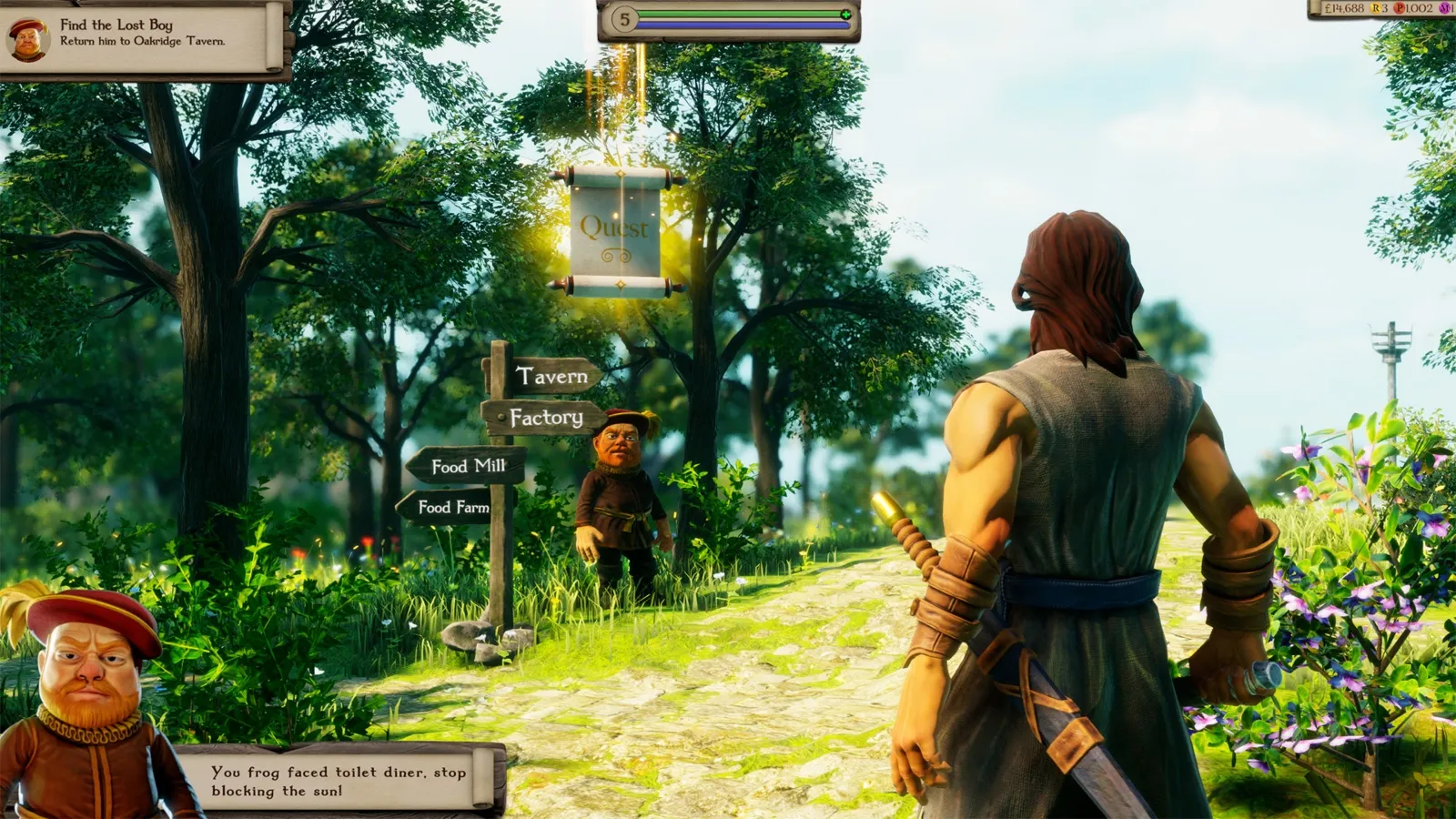
When NHN pulled out, layoffs followed. Some developers hadn’t received full equity payouts. Others struggled to find work, their resumes now linked to a high-profile flop. One artist told Eurogamer: “I poured two years into this. It damaged my confidence. It still feels like a black mark.”
This wasn’t just a product failure. It was a career stain for talented people who followed a charismatic leader into uncharted territory.
The Backers Who Gave More Than Money
Kickstarter backers didn’t just fund Godus—they pre-paid for it. Many pledged at tier levels promising special rewards: signed merchandise, in-game recognition, beta access, and even co-designer credits. But as delays mounted, communication from 22cans grew sporadic.
One backer, Mark Reynolds, pledged $500 for a “Co-Creator” package. He expected early builds, direct input, and a named city in the game. Five years later, he received only two beta versions—neither playable for more than 20 minutes—and no acknowledgment in the final release.
“It felt like being ghosted,” Reynolds said. “We weren’t customers. We were lab rats for a failing project.”
Other backers discovered their funds were used not just for development, but for marketing and investor pitches. While Molyneux appeared at conferences touting Godus’ progress, the game remained unfinished. The disconnect between public messaging and internal reality eroded trust.
The Fallout: Reputation, Refunds, and Regret
22cans never issued refunds. Kickstarter’s rules don’t require them, even for failed projects. Molyneux defended the stance: “We used every dollar trying to make the game. We didn’t take money and run.”
But the damage was done. In online forums, former supporters turned critics. Reddit threads from 2016 are filled with bitter comments: “$30 for a glitchy demo. Worth it for the life lesson.” “Molyneux should’ve just made a Patreon and called it art.”
The broader impact was cultural. Godus became a cautionary tale in the indie dev world—a case study in how hype can backfire. It also contributed to growing skepticism around celebrity-led crowdfunding. When big names sell dreams, the crash hurts harder.
Molyneux, once hailed as a visionary, saw his credibility fracture. Interviews grew rare. His next project, Legacy, launched quietly in 2021—another god game, but with minimal marketing and no crowdfunding. The silence spoke volumes.
Lessons from the Ashes: What Went Wrong
The failure wasn’t just technical. It was strategic, emotional, and systemic. Here’s what really doomed Godus—and who suffered because of it:
Overpromising from Day One Molyneux didn’t just promise features—he described miracles. “Players will live and die in worlds they create.” “Every flower will remember your touch.” These weren’t roadmaps. They were fantasies. When reality couldn’t match, backlash was inevitable.
Misreading Crowdfunding Many backers assumed Godus was a finished product in development. In reality, it was an experiment. Molyneux treated Kickstarter like a pre-order store, not a collaborative sandbox. That mismatch set expectations on fire.
Ignoring Core Development Discipline 22cans pivoted constantly. Mobile? VR? Blockchain? Reports suggest the team chased trends instead of shipping a stable PC version. Feature creep killed momentum.
Lack of Transparency As delays piled up, updates became vague. Backers weren’t told about internal funding crises or engine changes. Trust eroded with every silent month.
The Ripple Effect on the Gaming Industry
Godus didn’t just fail as a game. It damaged trust in creator-led funding models. After its collapse, similar high-profile projects—Yatagarasu, Shenmue 3—faced sharper scrutiny. Backers began asking: “Is this another Godus?”
Publishers took note. Many started requiring concrete prototypes before greenlighting crowdfunding campaigns. Platforms like Fig introduced investor-grade reporting to prevent repeat disasters.
For indie developers, the lesson was clear: passion isn’t enough. Scope must be manageable. Communication must be honest. And no amount of fame excuses broken promises.
Even Molyneux’s peers distanced themselves. Tim Schafer, another veteran turned crowdfunding advocate, began emphasizing realistic goals in his pitches. “We show what we have,” he said in 2017. “Not what we hope to have in five years.”
Can Trust Be Rebuilt?
Molyneux hasn’t disappeared. Legacy received muted but not terrible reviews. It’s a modest god game—functional, unambitious, and finally, deliverable. But the shadow of Godus lingers.
For the investors who lost millions, the wound is financial. For developers, it’s professional. For backers, it’s personal. They didn’t just lose money. They lost belief in the idea that great creators always deliver.
The truth is, vision without execution is just noise. And when that noise drowns out reality, people get hurt.
If there’s a path forward, it’s humility. Shipping small. Owning mistakes. Molyneux has hinted at it. But for those burned by Godus, actions matter more than words.
Final Word: Know What You’re Funding
Before pledging to any crowdfunded game—especially one led by a famous name—ask hard questions:
- Is there a playable prototype?
- What are the development milestones?
- How will setbacks be communicated?
- Is the scope realistic?
And remember: even legends can fail. When they do, it’s not just their reputation on the line. It’s yours.
FAQ
Did Peter Molyneux make money from Godus? Molyneux didn’t profit personally from Kickstarter funds, which went to 22cans. However, he received a salary as CEO. The $12M NHN investment also supported his company, though most was lost.
Did 22cans go out of business? No, 22cans still exists but operates quietly. After Godus, it released Legacy and a few smaller titles with minimal fanfare.
Did Kickstarter backers get refunds? No. Kickstarter does not require refunds for failed projects. Backers received partial beta access, but many rewards were never delivered.
What was promised in the Godus Kickstarter? The pitch included dynamic world shaping, AI-driven civilizations, multiplayer, and evolving terrain. Most of these features were cut or never implemented.
Is Godus still available to buy? Yes, but it’s a stripped-down version of the original vision. It’s sold on Steam with limited updates and minimal support.
Why did NHN pull funding? NHN cited missed development milestones, lack of market traction, and concerns over 22cans’ ability to deliver a viable product.
Has Peter Molyneux apologized? Yes. In multiple interviews, Molyneux admitted to overhyping Godus and misleading backers. He called it “the biggest regret of my career.”
FAQ
What should you look for in The Players Burned by Peter Molyneux’s Broken Promises? Focus on relevance, practical value, and how well the solution matches real user intent.
Is The Players Burned by Peter Molyneux’s Broken Promises suitable for beginners? That depends on the workflow, but a clear step-by-step approach usually makes it easier to start.
How do you compare options around The Players Burned by Peter Molyneux’s Broken Promises? Compare features, trust signals, limitations, pricing, and ease of implementation.
What mistakes should you avoid? Avoid generic choices, weak validation, and decisions based only on marketing claims.
What is the next best step? Shortlist the most relevant options, validate them quickly, and refine from real-world results.