Nedra Talley Ross, the soulful voice behind some of the most electrifying girl-group harmonies of the 1960s, has died at the age of 80. As a founding member of The Ronettes, she helped define an era of pop and rock with her distinctive vocal blend, iconic beehive hairdos, and unforgettable stage presence. Her passing marks the end of an era for fans of classic American music and the Motown-inspired sound that shaped generations.
While her cousin Ronnie Spector often took center stage as the group’s lead, Nedra’s contributions were integral to The Ronettes’ signature sound—tight, emotional harmonies layered over Phil Spector’s “Wall of Sound” production. Her death has reignited appreciation for the group’s influence, their cultural impact, and the personal journey of a woman who remained committed to music, faith, and legacy long after the spotlight dimmed.
The Ronettes: A Revolutionary Girl Group
Formed in the early 1960s in Harlem, New York, The Ronettes—originally comprising Ronnie Bennett (later Spector), Nedra Talley, and Estelle Bennett—emerged during a time when female vocal groups were gaining traction but rarely received equal recognition in the male-dominated music industry.
What set The Ronettes apart wasn’t just their look—tight skirts, heavy eyeliner, and towering beehives—but their sound: sultry, raw, and unapologetically emotional. Their breakout hit, “Be My Baby” (1963), wasn’t just a chart-topper; it was a cultural reset. The opening drumbeat, produced by Phil Spector, is often cited as one of the most iconic in pop history.
Nedra’s voice anchored the harmony, blending perfectly with Estelle’s lower register and Ronnie’s piercing lead. Her vocal precision and stage discipline were critical to the group’s cohesion. Though not always in the spotlight, her presence was essential.
“We weren’t just singing—we were telling stories,” Nedra once said in a 2010 interview. “Every note had feeling. That’s what made us different.”
Nedra Talley Ross: From Harlem to Hollywood
Born on March 26, 1946, in New York City, Nedra Talley was raised in a close-knit family that valued music and spirituality. Her grandmother’s gospel roots influenced her early love for singing, and by her teenage years, she was performing at family events and church gatherings.
Her big break came when she joined Ronnie and Estelle in transforming their act from a local talent show staple into a professional group. Signed by Colpix Records in 1961, they released a few modest singles before catching the attention of Phil Spector.
The move to Spector’s Philles Records in 1963 changed everything. Suddenly, they were recording at Gold Star Studios, working with top-tier musicians (the famed Wrecking Crew), and appearing on national TV. Their 1964 performance on The Ed Sullivan Show cemented their status as pop icons.
But behind the glamour, challenges mounted. Phil Spector’s controlling behavior, the pressures of touring, and the changing music landscape after the British Invasion took a toll. The group disbanded in 1967, just as Nedra was entering her early 20s.
Life After the Ronettes: Faith, Family, and Quiet Influence
Unlike Ronnie Spector, who continued performing into the 21st century, Nedra Talley Ross stepped back from the mainstream music scene after the group’s breakup. In the 1970s, she embraced Christianity and eventually married Wayne Ross, a member of the soul group The Sweet Inspirations.

She didn’t disappear from music entirely—far from it. For decades, she performed with The Ronettes Reunited, a gospel-infused revival act that blended her spiritual convictions with her musical roots. The group toured churches and faith-based events, interpreting classic Ronettes songs through a gospel lens.
“I didn’t leave music—I just redirected it,” she told Gospel Today in 2005. “Singing ‘Walking in the Rain’ in a church sanctuary feels just as powerful as doing it at the Apollo.”
She also became a sought-after speaker at music history panels and legacy events, often emphasizing the importance of artistic integrity and personal boundaries in the entertainment industry.
A Legacy Often Overlooked—But Never Forgotten
Despite her pivotal role, Nedra Talley Ross has historically received less media attention than Ronnie Spector. This disparity reflects a broader pattern in music journalism: the lead singer often overshadows ensemble members, even when their contributions are equally vital.
Yet, musicians and producers who worked with The Ronettes have long acknowledged Nedra’s importance.
- Songwriter Ellie Greenwich: Called her “the glue of the group—steady, reliable, and always in key.”
- Producer Jeff Barry: Noted that “Nedra’s phrasing was flawless. She could harmonize blindfolded.”
- Music historian Alan Light: Wrote that “without Nedra’s consistency, The Ronettes’ sound would’ve been unstable.”
Her absence from high-profile reunions—except for rare appearances—was sometimes misinterpreted as disinterest. In reality, it stemmed from a deliberate choice to prioritize family and faith over fame.
When The Ronettes were finally inducted into the Rock & Roll Hall of Fame in 2007, Nedra stood beside Ronnie and Estelle (who passed in 2009) in a moment of long-overdue recognition. Her speech was brief but powerful: “We came from the streets of Harlem with nothing but voices and dreams. This is for every girl who ever sang into a hairbrush and believed.”
The Cultural Impact of The Ronettes’ Sound
The Ronettes didn’t just make hits—they influenced them. Their music became a blueprint for future generations of artists.
- Bruce Springsteen has cited “Be My Baby” as a key inspiration for his own use of layered production.
- The Killers covered the song in 2010, calling it “the greatest pop song ever recorded.”
- Katy Perry, Lady Gaga, and Beyoncé have all referenced The Ronettes’ style in performances and music videos.
Nedra’s role in this legacy is indirect but undeniable. As part of the vocal trio, she helped establish a template for female group dynamics in pop: equal parts harmony, independence, and resilience.
Even in fashion, The Ronettes’ aesthetic endures. High ponytails, cat-eye liner, and mini-dresses with go-go boots still echo on runways and red carpets. Designers like Marc Jacobs and Vivienne Westwood have drawn from the group’s 1960s look.
Remembering Nedra Talley Ross: Tributes and Reflections
Following the announcement of her death, tributes poured in from across the music world.
- Ronnie Spector’s family released a statement: “Nedra was more than a cousin—she was a sister in song and spirit. Her voice was part of our heartbeat.”
- Eddie Brigati of The Rascals: “They weren’t just singers—they were pioneers. Nedra carried that torch with grace.”
- Questlove tweeted: “The Ronettes taught us that emotion could be orchestrated. Nedra was the quiet architect of that sound.”
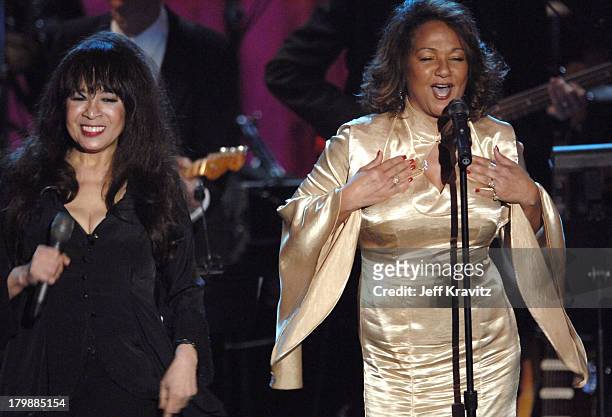
Fans shared memories of her 2010 appearance at the Ponderosa Stomp festival, where, at 64, she still commanded the stage with quiet confidence. No flashy moves—just pure vocal control and presence.
Her later years were spent out of the public eye, but not out of influence. She mentored young gospel singers, contributed to documentaries on girl groups, and maintained an active correspondence with fans through her official website and fan clubs.
The Enduring Power of Girl Groups
Nedra Talley Ross’s life underscores a broader truth: the girl group era of the 1960s was more than a trend—it was a revolution in how women could express themselves in popular music.
Before The Ronettes, female acts were often dismissed as novelty acts. After them, they were seen as artists—complex, driven, and musically sophisticated.
That legacy lives on in groups like: - TLC – who blended R&B with social commentary - Destiny’s Child – who championed independence and unity - Little Mix – who prioritized vocal harmony and authenticity
Each of these groups, in their own way, owes a debt to the path The Ronettes forged—vocally, visually, and culturally.
And while Ronnie Spector became the face of the group, Nedra Talley Ross was its foundation. Her ability to stay true to her values, adapt to changing times, and preserve her voice—both literally and metaphorically—makes her story one of quiet strength in an industry that often rewards noise.
Final Note: Honoring a Quiet Legend
Nedra Talley Ross didn’t crave headlines. She wasn’t on social media. She didn’t release tell-all memoirs. But her impact is woven into the fabric of American music.
If you’ve ever been moved by a perfectly balanced harmony, captivated by a beehive hairstyle, or felt chills at the first beat of “Be My Baby,” you’ve felt her influence.
Her passing reminds us that legacies aren’t always measured by spotlight time—but by staying power, integrity, and the ability to inspire long after the final curtain.
For those who want to honor her memory: - Stream The Ronettes’ original recordings - Support documentaries on 1960s girl groups - Share stories of under-recognized women in music history
Nedra Talley Ross may have left the stage, but her voice remains.
FAQ
Was Nedra Talley Ross related to Ronnie Spector? Yes, Nedra was Ronnie Spector’s first cousin. They grew up together in Harlem and formed The Ronettes with Estelle Bennett, another cousin.
Did Nedra Talley Ross continue singing after The Ronettes? Yes, she performed with The Ronettes Reunited, a gospel-focused group, and made occasional appearances at music retrospectives.
Why wasn’t Nedra Talley Ross as famous as Ronnie Spector? Ronnie was the lead vocalist and later pursued a solo career, which kept her in the public eye. Nedra chose a quieter life centered on family and faith.
Was Nedra Talley Ross in the Rock & Roll Hall of Fame? Yes, she was inducted as a member of The Ronettes in 2007.
Did Nedra Talley Ross have any solo music? She did not release commercial solo albums but contributed to gospel recordings and live performances with her group.
What was Nedra Talley Ross’s cause of death? Details have not been publicly disclosed as of this publication.
Where can I hear Nedra Talley Ross’s vocals? Her work is featured on all original Ronettes recordings, including Presenting the Ronettes (1964) and Born to Sing (1965), available on streaming platforms.
FAQ
What should you look for in Ronettes Singer Nedra Talley Ross Dead at 80? Focus on relevance, practical value, and how well the solution matches real user intent.
Is Ronettes Singer Nedra Talley Ross Dead at 80 suitable for beginners? That depends on the workflow, but a clear step-by-step approach usually makes it easier to start.
How do you compare options around Ronettes Singer Nedra Talley Ross Dead at 80? Compare features, trust signals, limitations, pricing, and ease of implementation.
What mistakes should you avoid? Avoid generic choices, weak validation, and decisions based only on marketing claims.
What is the next best step? Shortlist the most relevant options, validate them quickly, and refine from real-world results.